graphic novels versus comic books the storytelling showdown
In the vibrant world of visual storytelling, graphic novels and comic books often captivate audiences with their dynamic art and compelling narratives. As we delve into 2026, the distinctions between these two formats have evolved, revealing unique characteristics that cater to different reading experiences. Understanding the nuances can enhance your appreciation for both mediums, whether you're a seasoned fan or a curious newcomer.
Defining the Formats
At their core, graphic novels and comic books share a similar foundation: they both combine illustrations with text to tell stories. However, the form and structure vary significantly. Comic books are typically released in shorter instalments, often as part of a series. They can range from 20 to 40 pages and are known for their episodic nature, which keeps readers engaged over time.
On the other hand, graphic novels present a complete narrative within a single volume, usually spanning over 100 pages. This format allows for more in-depth storytelling and character development. The narrative can be complex, exploring themes and plots that might take several issues in a comic book series to unravel.
Storytelling Techniques
When it comes to storytelling, graphic novels often employ a more sophisticated approach. The extended length allows authors to weave intricate plots and develop multi-dimensional characters. This depth often leads to richer emotional experiences for readers. Classics like Art Spiegelman's "Maus" and Marjane Satrapi's "Persepolis" demonstrate how graphic novels can tackle profound themes such as trauma and identity, all while blending powerful visuals with narrative.
People Also Look For:
- Sonic The Hedgehog Kids Bucket Hat | Multicoloured Sun Hat for Girls & Boys | Knuckles, Doctor Eggman Villain & Tails | Comic Book...
- Funko POP! Movie Moment: Batman 80th - Batman and Joker - (1989) - DC Comics - Collectable Vinyl Figure - Gift Idea - Official Mer...
- Thor Pet Dog Fancy Dress Super Hero Comic Book Pet Animal Halloween Costume New Halloween Halloween
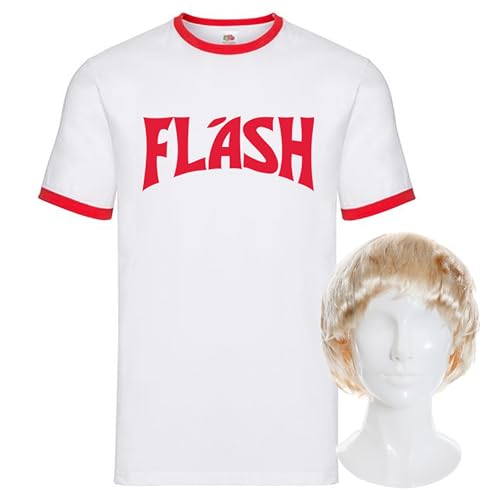
- Flash Gordon T-Shirt & Blonde Wig Set - Xlarge - 80s Fancy Dress Costume for TV, Film, Comic Book Hero Dress Up - Retro Superhero ...
- Teenage Mutant Ninja Turtles Boys Hooded Bathrobe | Kids Superhero Costume Dressing Gown in Green | Cosy Comic Book Fleece Loungew...
In contrast, comic books usually focus on action and plot progression, often leaning into cliffhangers to maintain reader interest. Series such as "Batman" and "Spider-Man" exemplify this trend, utilising a formulaic approach to storytelling that can lead to thrilling, albeit sometimes less character-driven, narratives. However, this does not undermine the artistry involved; rather, it highlights a different storytelling style that emphasises quick engagement and excitement.
Artistic Expression
Art plays a crucial role in both graphic novels and comic books, yet the style and approach can differ markedly. Graphic novels often showcase a diverse range of artistic styles, which reflect the tone of the story being told. The artwork in a graphic novel can be more experimental and varied, as seen in works like "Fun Home" by Alison Bechdel, where the art complements the narrative's emotional weight.
Conversely, comic book art tends to maintain a more consistent style throughout a series to ensure recognisable characters and settings. This consistency is crucial for readers who follow ongoing stories. Artists like Jim Lee and Frank Miller have created iconic styles that enhance the superhero genre, making the art synonymous with the storytelling experience.
Audience and Accessibility
While both formats attract a wide range of audiences, graphic novels are often perceived as more accessible to new readers. Their self-contained stories allow for easier entry points, making it simpler for individuals to explore various genres without prior knowledge of characters or ongoing plots. Graphic novels can also be found in bookstores and libraries, appealing to readers who may not frequent comic shops.
Comic books, particularly those from major publishers like Marvel and DC, can sometimes feel overwhelming to newcomers due to their extensive histories and interconnected storylines. For those looking to dive into the comic book universe, seeking out standalone issues or trade paperbacks can provide a more manageable introduction.
Practical Tips for Readers
If you're looking to explore these formats further, consider starting with graphic novels that have received critical acclaim to appreciate the storytelling depth. Titles like "Sandman" by Neil Gaiman or "Watchmen" by Alan Moore showcase both narrative complexity and artistic innovation.
For comic book enthusiasts, following popular series that offer character-driven arcs can enhance your experience. Look for titles such as "Ms. Marvel" or "Saga" that blend relatable characters with engaging plots. Ultimately, whether you prefer the concise thrill of comic books or the expansive storytelling of graphic novels, both mediums have unique offerings that can enrich your reading journey.